The Hidden Japan Most Tourists NeverExperience: 12 Places Beyond Tokyo andKyoto
For many travelers, Japan begins beneath the electric glow of Tokyo’s skyscrapers and concludes among Kyoto’s celebrated temples and bamboo groves. These places are magnificent, and rightly so. Yet they can also create the comforting illusion that Japan is something to be admired from a carefully curated itinerary—a country of famous landmarks, efficient trains, and postcard-perfect scenes. In doing so, they quietly conceal a deeper truth: that a nation reveals itself not only through its icons, but through the places where nothing remarkable seems to happen.
Beyond the celebrated destinations lies another Japan. It is found in fishing harbors where the morning catch still dictates the rhythm of the day, in mountain towns where wooden facades have weathered centuries of changing seasons, in volcanic landscapes that remind people of nature’s quiet authority, and in villages where traditions continue not as performances for visitors, but simply because no one ever thought to abandon them. Here, life unfolds with less urgency, and travel becomes less about collecting attractions than about paying closer attention.
There is a curious paradox to travel. We often journey thousands of miles hoping to discover somewhere entirely new, only to spend our time standing where everyone else is standing, photographing what everyone else has photographed. The greatest reward, however, often arrives when we drift slightly beyond the obvious. A conversation in a neighborhood market, the silence of an ancient cedar forest, or an evening stroll through a town where the only sound is the distant ringing of a temple bell can leave a far deeper impression than another famous viewpoint.
If you’re looking to experience a side of Japan that many visitors never encounter, these twelve destinations invite you beyond the familiar. They are places that reveal not only different landscapes, but different ways of living, preserving a richness and authenticity that continues to define the country’s true character.
1. Takayama – The Mountain Town Frozen in Time
Nestled in the Japanese Alps, Takayama feels like stepping back several centuries. Beautiful wooden merchant houses line the streets, sake breweries welcome visitors, and morning markets continue traditions that have existed for generations. Unlike larger cities, Takayama rewards slow exploration, where every alley reveals another glimpse of old Japan.
2. Kanazawa – Samurai Elegance Without the Crowds
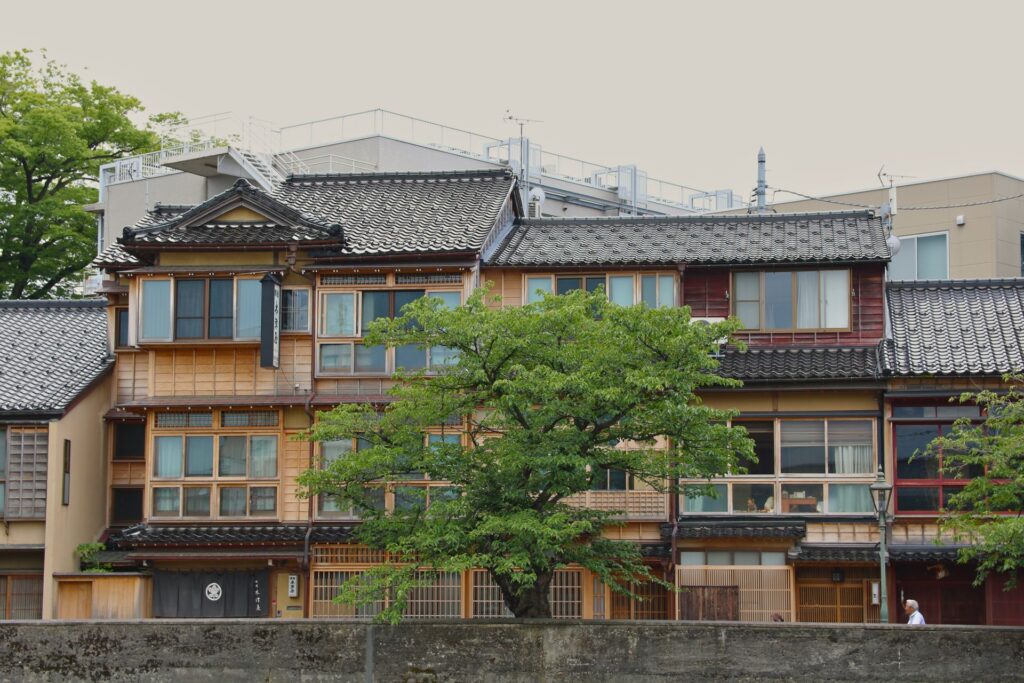
Often described as one of Japan’s best-preserved historic cities, Kanazawa combines magnificent gardens, samurai districts, geisha neighborhoods, and exceptional seafood. Kenroku-en Garden is considered one of Japan’s three greatest landscape gardens, while nearby streets retain an atmosphere that has changed little over the centuries.
3. Onomichi – Hills, Temples, and Sea Breezes
Built across steep hills overlooking the Seto Inland Sea, Onomichi offers winding stone lanes, hidden temples, literary cafés, and breathtaking viewpoints. It is also the starting point of the famous Shimanami Kaido cycling route, making it a favorite among both cyclists and photographers.
4. Aomori – Japan’s Northern Soul
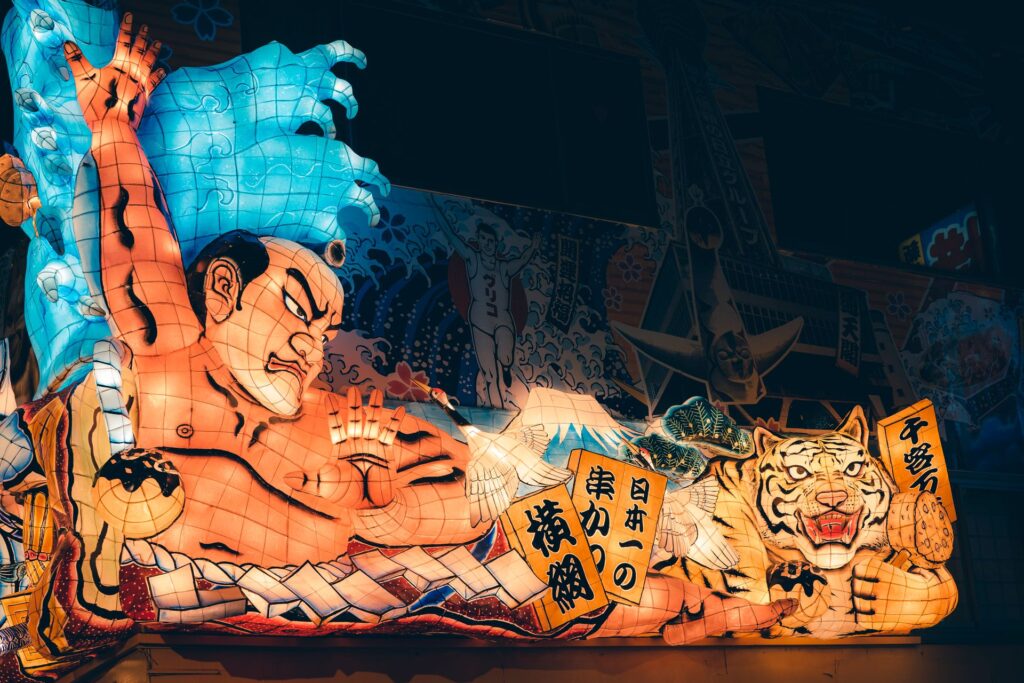
At Japan’s northern tip of Honshu, Aomori combines prehistoric history with rugged natural beauty. Visitors can explore the remarkable Sannai-Maruyama archaeological site, admire the spectacular Nebuta Festival Museum, and enjoy some of the country’s freshest seafood while surrounded by dramatic mountain scenery.
5. Kochi – Where Samurai Spirit Meets the Pacific
Located on Shikoku Island, Kochi remains refreshingly untouched by mass tourism. Its impressive castle, lively markets, dramatic coastline, and deep connection to samurai history create a destination that feels authentic and welcoming. Here, conversations with locals often become as memorable as the landmarks themselves.
6. Kagoshima – Japan’s Volcanic Heart
Dominated by the ever-present Sakurajima volcano, Kagoshima offers a landscape unlike anywhere else in Japan. Hot springs, lava fields, traditional gardens, and a fascinating samurai legacy combine with spectacular coastal scenery to create one of the country’s most distinctive destinations.
7. Hakodate – Japan’s Most Romantic Harbor
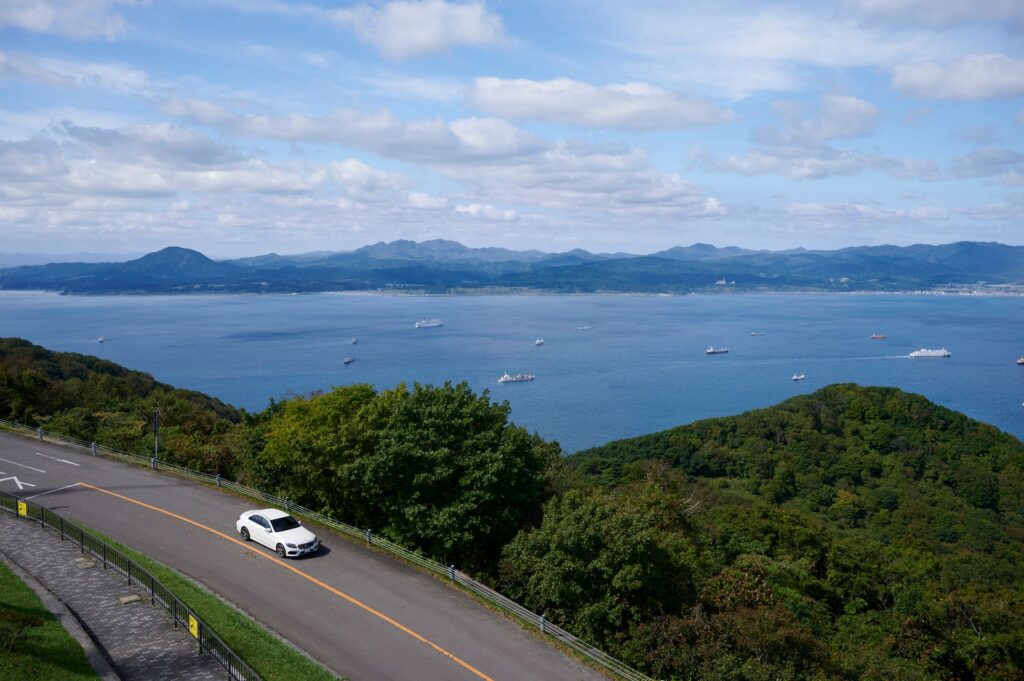
Hakodate blends Japanese tradition with Western architecture in a way few cities can. Historic churches overlook quiet streets, vibrant morning markets showcase Hokkaido’s seafood, and the panoramic night view from Mount Hakodate is regularly ranked among Japan’s finest.
8. Shimizu – A Harbor Framed by Nature
Often overlooked by travelers rushing toward Mount Fuji, Shimizu offers beautiful waterfront promenades, fresh seafood markets, peaceful shrines, and one of Japan’s most picturesque natural harbors. It provides a refreshing glimpse into everyday coastal life.
9. Koya-san – A Night Among Monks
High in the mountains of Wakayama lies one of Japan’s most sacred destinations. Visitors can stay overnight in Buddhist temples, join morning prayers, enjoy traditional vegetarian cuisine, and wander through Okunoin Cemetery, where towering cedar trees surround thousands of ancient stone lanterns and monuments.
10. Yakushima – The Forest That Inspired Fantasy
This UNESCO World Heritage island is covered in ancient cedar forests, some containing trees estimated to be over 2,000 years old. Mist-covered hiking trails, waterfalls, and abundant wildlife create an atmosphere so magical that the island is said to have inspired Studio Ghibli’s Princess Mononoke.
11. Kurashiki – The Canal Town of White Storehouses
Elegant canals lined with willow trees flow through Kurashiki’s beautifully preserved merchant district. Traditional warehouses have become museums, cafés, and artisan workshops, making it one of Japan’s most charming destinations for architecture, art, and leisurely exploration.
12. Iya Valley – Japan’s Forgotten Wilderness
Deep within Shikoku’s mountains lies one of Japan’s last true hidden regions. Vine suspension bridges stretch across emerald rivers, isolated villages cling to steep hillsides, and winding mountain roads lead to breathtaking scenery rarely seen by international visitors.
Beyond the Familiar
Perhaps the greatest luxury in travel is not seeing more places, but seeing a place more truthfully. Japan’s greatest treasures are often found away from its busiest tourist centers. Smaller cities and rural regions offer more meaningful conversations, stronger local traditions, slower rhythms, and experiences that feel personal rather than performed. Here, life unfolds according to its own pace rather than the expectations of visitors. A shopkeeper has time to talk. A temple remains silent enough for your own thoughts to become audible. A train arrives carrying mostly locals rather than cameras.
Whether it is sharing fresh seafood at a family-run market, wandering through an empty samurai district as the evening light settles over wooden facades, or discovering a mountain village where centuries-old customs continue almost unnoticed, these are the moments that linger. They rarely become the most photographed memories of a journey, yet they often become the ones that return unexpectedly months or years later. We remember not only what we saw, but how a place allowed us to feel.
Modern tourism often persuades us that significance lies where everyone else is already looking. Yet places do not become meaningful because they are famous; they become famous because, at some point, they possessed something quietly extraordinary. Over time, attention can sometimes obscure the very qualities that first inspired admiration. To travel beyond the familiar is, in many ways, to recover that original sense of discovery.
Tokyo and Kyoto will always deserve their place on every itinerary. Their history, energy, and cultural richness are undeniable. But they are only chapters in a far larger story. Beyond them lies another Japan: one of mist-covered valleys, forgotten castle towns, fishing harbors greeting the dawn, volcanic landscapes, hidden shrines beneath ancient cedars, and communities whose warmth is measured not by polished hospitality but by genuine curiosity toward those who have made the effort to arrive.
In choosing to venture further, we discover something more than unfamiliar destinations. We discover a different way of traveling—one that values patience over speed, observation over consumption, and presence over checklists. The reward is not simply seeing another side of Japan, but allowing another side of ourselves to emerge: the quieter, more attentive traveler who understands that the most valuable experiences are often those that could never have been planned from a list of highlights.
Beyond the guidebooks, beyond the crowds, and beyond the destinations everyone already knows, Japan continues to reveal itself with remarkable generosity. It asks only one thing in return: the willingness to keep going.
About the Author
This article was written by the team at Private Japan Tours, a specialist in thoughtfully curated private experiences across Japan. Guided by our philosophy to “Unlock Japan’s Mystique,” we design personalized journeys that reveal the country’s hidden stories, timeless traditions, remarkable architecture, authentic local culture, and lesser-known destinations beyond the typical tourist trail. Discover more and begin planning your journey at Private Japan Tours.